

LXHTR Highlights Fire Sleeve Solutions for Cable and Hose Protection in High-Temperature and Energy Applications
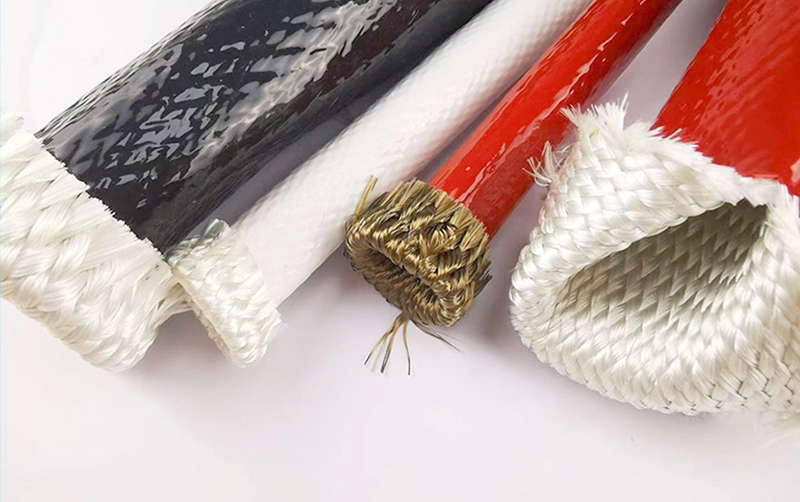
High-temperature fire sleeve designed to protect cables and hoses from heat, abrasion, and molten splash.
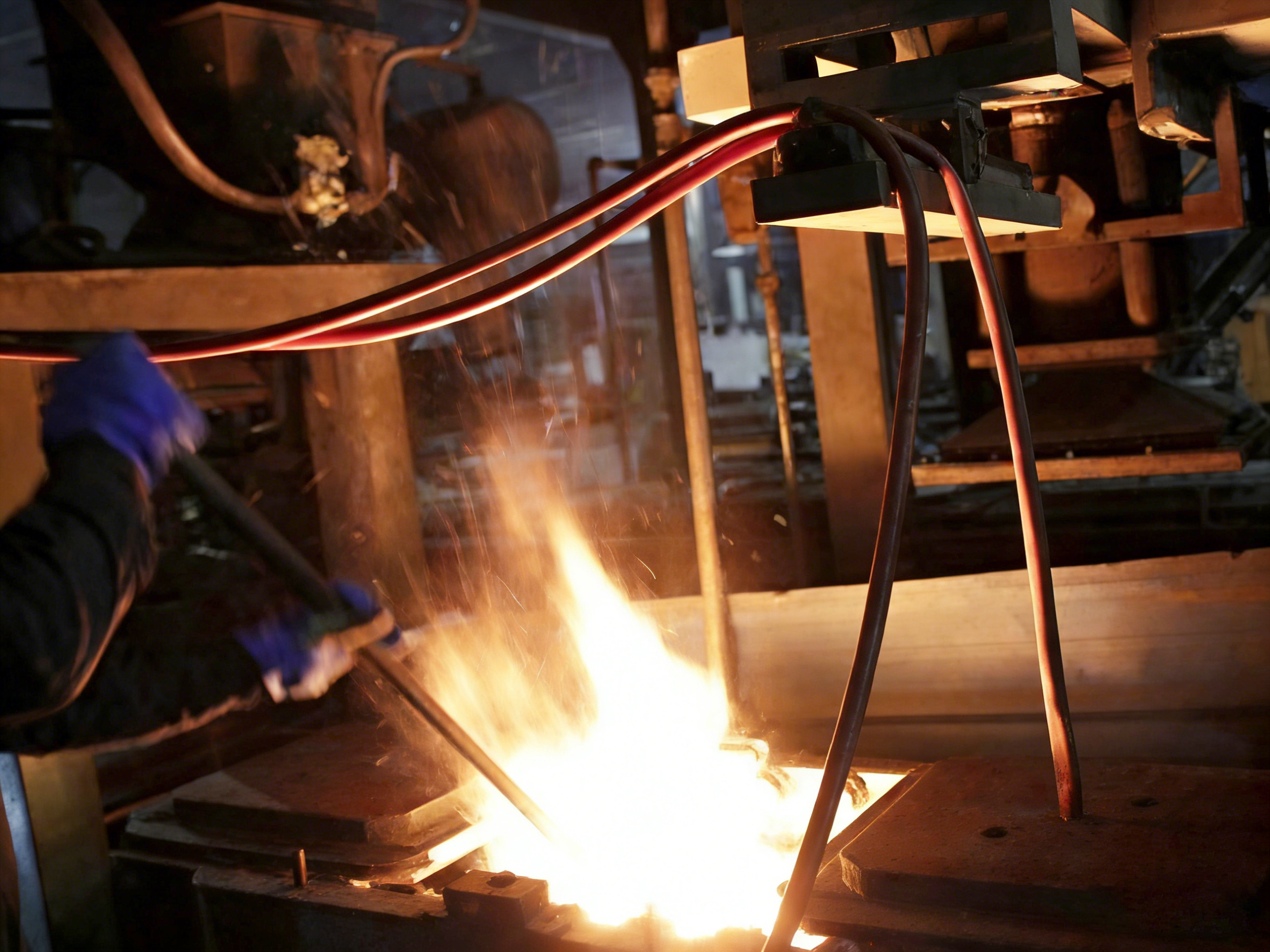
Fire sleeve applied in a high-temperature furnace area to help reduce heat exposure and protect critical cables.
These components are often exposed to high temperatures, molten splash, pressure fluctuations, and mechanical wear, which can affect operational reliability over time.
Industrial thermal protection manufacturer LXHTR has introduced a range of fire sleeve solutions designed to provide an additional layer of protection for cables and hoses operating under such conditions.
Multiple Risk Factors in Industrial and Energy Environments
In industries such as smelting, mining, and power generation—as well as emerging energy sectors—cables and hoses are frequently routed near heat sources or dynamic equipment.
Typical exposure conditions may include:
Radiant heat and elevated ambient temperatures
Molten metal splash or sparks
Internal pressure fluctuations in hydraulic systems
Mechanical abrasion, vibration, and external impact
In pressurized systems, hose failure can present additional safety concerns. Protective sleeves are sometimes used to help limit the impact of fluid spray or external damage in the event of hose degradation.
Fire Sleeve Design and Performance Characteristics
Fire sleeves are typically constructed using high-temperature resistant glass fiber substrates, combined with silicone-based or similar coatings to enhance durability and environmental resistance.
According to LXHTR, these sleeves are designed to provide:
Resistance to high ambient temperatures and thermal radiation
Protection against molten splash and flame exposure
Thermal insulation to reduce heat transfer to internal components
Mechanical protection against abrasion and surface wear
Additional reinforcement for pressurized hoses, supporting safer operation under certain conditions
“Cables and hoses are often exposed to multiple stress factors at the same time,” said Yang, a design engineer at LXHTR.
“In practice, protective sleeves are selected not only for temperature resistance, but also for how they perform under combined thermal and mechanical loads.”
Focus on Material Performance and Quality Consistency
LXHTR indicates that part of its development work has focused on material selection and structural stability of fire sleeves under high-temperature conditions.
This include evaluating:
Thermal resistance performance over prolonged exposure
Coating adhesion and surface durability
Flexibility under repeated bending or installation stress
Consistency in sleeve thickness and coverage
Such considerations are intended to support more stable performance in real operating environments, although results may vary depending on application conditions.
“Material behavior at high temperature can be complex,” Yang noted.
“In many cases, long-term stability and consistency are just as important as initial performance.”
Expanding Applications in Energy and Electrification Sectors
Beyond traditional heavy industry, fire sleeve solutions are also being applied in energy and electrification-related environments, where system reliability is critical.
These include:
Power generation equipment and cable routing systems
Electrical infrastructure exposed to elevated temperatures
New energy equipment requiring additional cable protection
High-load electrical or control systems operating in demanding conditions
In these applications, protective sleeves can contribute to both equipment durability and operational safety.
Standardization and Customization in Practical Use
In addition to protection, the use of fire sleeves is increasingly considered part of standardized cable and hose management practices in industrial systems.
Sleeves can help improve:
Cable routing organization
Separation from heat sources
Maintenance accessibility and safety
At the same time, LXHTR notes that application requirements can vary significantly between sites.
In addition to standard sleeve products, the company also provides custom-engineered configurations designed to match:
Specific cable or hose dimensions
Installation space constraints
Temperature exposure levels
Operational and maintenance requirements
“Standard products can meet many general needs,” Yang explained.
“But in more complex environments, customization is often necessary to ensure proper fit and performance.”
A Complementary Approach to Equipment Protection
As industrial and energy systems continue to evolve, there is growing interest in solutions that address both thermal exposure and mechanical risks.
Fire sleeves represent one approach to improving the durability and protection of cables and hoses, particularly in environments where multiple stress factors are present.
While not eliminating all risks, they are often used as part of a broader strategy to enhance system reliability and operational safety.
About LXHTR
LXHTR is an industrial materials and thermal protection solutions provider specializing in high-temperature insulation, fire protection sleeves, industrial sealing systems, and equipment protection products used across smelting, energy, mining, and heavy industry environments.
The company develops both standard and custom-engineered solutions designed to support equipment operation under extreme thermal and mechanical conditions.
Michael Ke
LXHTR Materials Technology
email us here
Visit us on social media:
LinkedIn
Facebook
YouTube
X
Legal Disclaimer:
EIN Presswire provides this news content "as is" without warranty of any kind. We do not accept any responsibility or liability for the accuracy, content, images, videos, licenses, completeness, legality, or reliability of the information contained in this article. If you have any complaints or copyright issues related to this article, kindly contact the author above.
