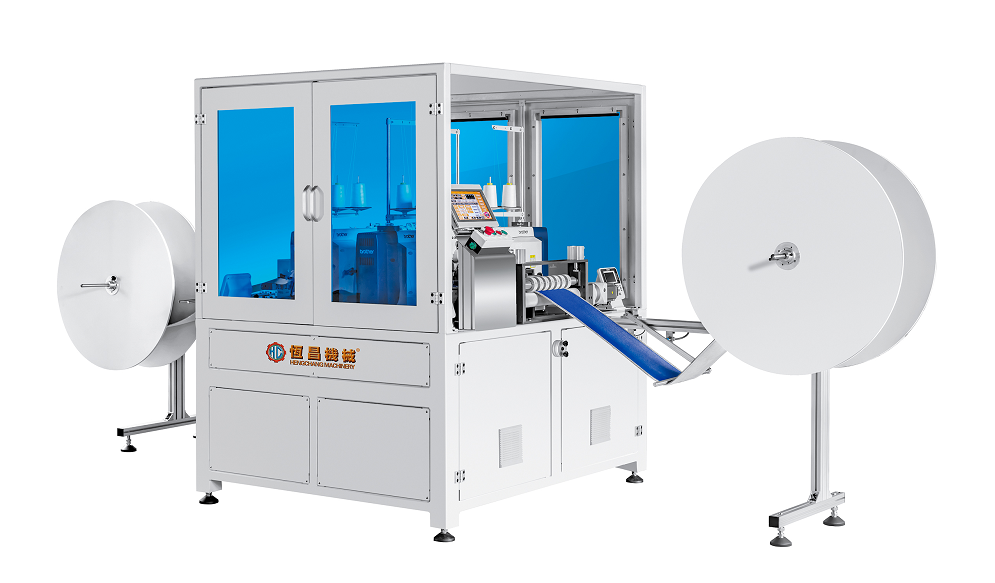
What Engineering Details Make Hengchang a Trusted High-speed Mattress Border Machine Supplier in China
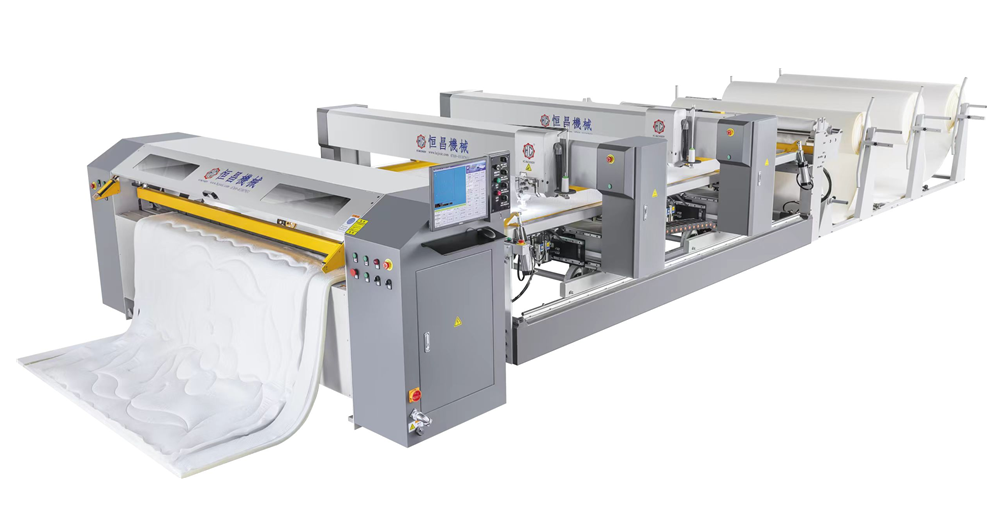
DONGGUAN, GUANGDONG, CHINA, September 18, 2026 /EINPresswire.com/ -- What does a mattress manufacturer actually inspect when two border machines look almost identical on paper? Nine times out of ten, the answer sits in details that never make it into a brochure — how the Y axis transmits motion, how the frame handles vibration at full speed, how quickly a presser plate adapts when the fabric changes. Confidence in a high-speed mattress border machine supplier in China gets built from those checkable specifics, not from headline stitch-per-minute figures. Hengchang Quilting Machinery Factory, which specializes in manufacturing high-speed computerized quilting machines alongside computerized automatic cutting machines, mattress production equipment and related materials, has taken that route: publishing the mechanical choices behind each model and letting buyers judge them one by one.
Why Borders Are a Harder Test Than Panel Quilting
A mattress border is a narrow strip, often 20 to 60 centimetres wide, wrapping the perimeter of the finished product. It also sits at eye level in a showroom. A wandering pattern line on a top panel may end up hidden under a cover; on a border, it stays on display.
Border production runs differently too — continuous rolls, tighter turning radii for decorative patterns, frequent swaps between knitted jacquard, non-woven backing and thin foam laminates. Many plants now run shorter batches with more SKUs, so a high-speed mattress border machine may change fabric three or four times in one shift. That puts pressure on two things at once: motion accuracy at speed, and how fast an operator can reset between jobs.
Q1: How Is Quilting Accuracy Kept Steady at High Speed?
Answer: coupling-based Y-axis transmission and a deliberately heavier machine structure.
Most stitch drift at high speed traces back to the transmission. Belt drives are common because they are cheap and quiet, but belts stretch, and a stretched belt adds lag between what the controller commands and where the needle lands. On decorative patterns with repeated direction changes, that lag shows up as rounded corners, uneven pattern pitch, or a repeat that slowly walks off centre across a long roll.
Hengchang's product line replaces belt transmission on the Y axis with a coupling drive. Rotation passes through a rigid connection instead of a flexible one, which cuts backlash and keeps the servo command and needle position consistent as the machine warms up and hours accumulate.
Mass as a Vibration Control Strategy
The second half of the answer is less glamorous: weight. A quilting head reversing direction thousands of times per minute generates high-frequency vibration, and a light frame passes that energy straight into the needle bar and the fabric. Hengchang builds with a reinforced, heavier overall structure so vibration gets absorbed instead. The result is a stitch that stays repeatable at high running speeds — same pattern, same tension, first metre to last.
This detail is worth verifying in person. Standing beside a machine at full speed tells more about frame rigidity than a datasheet, and a serious mattress border machine supplier will encourage that kind of inspection.
Q2: What Keeps Fabric Changeovers Smooth Across Different Thicknesses?
Answer: computer-programmed presser plate height, plus pneumatic thread loosening and automatic trimming.
On older equipment, switching from a thin knitted border to a thicker laminated one meant stopping the line, loosening bolts, re-shimming the presser plate by hand, then running test metres until tension looked right. Two operators, twenty minutes, some wasted fabric — repeated every changeover.
On Hengchang's high-speed mattress border machine models, presser plate height gets set through the control program. The operator selects the stored value for that material and the machine adjusts, so thin fabric is held firmly enough to avoid puckering while thick or multi-layer material passes without jamming or deflecting the needle.
Two supporting devices make that adjustment usable in production:
Pneumatic thread loosening releases tension at the right moment in the cycle, reducing thread breakage when the machine starts, stops or changes direction — the points where most breaks happen.
Automatic thread trimming finishes each pattern cleanly, so panels leave the machine without long tails that need hand-cutting downstream.
Together these address the cost plants notice most: not top speed, but minutes lost to setup, thread breaks and rework. A plant running six changeovers a day recovers a meaningful share of a shift simply by taking manual adjustment out of the routine.
Q3: What Happens When an Overseas Buyer Runs Into Trouble Years Later?
Answer: ISO 9001-based traceable assembly and inspection records, documented after-sales support, and factory-original spare parts.
Cross-border service is where equipment purchases most often go wrong. A machine performs well for two years, a component wears, and then nobody can identify which version of the part was installed at the factory.
Hengchang Quilting Machinery Factory works to an ISO 9001 quality management system, which keeps assembly and inspection records tied to individual machines. When a customer in another country reports a fault, the build record is available for reference — which parts went in, which inspection steps were signed off. That turns a vague complaint into a specific diagnosis.
Professional management and post-sale services form a stated part of how the company operates, together with supply of original spare parts. In practice that means a defined channel for replacement components rather than a hunt through third-party sellers for something that may not fit. Installation support and operator training follow the same logic.
Project references span mattress panels and borders, quilts and bedding, home textiles and technical materials, and repeat orders remain a fair indicator of whether service commitments hold up after the warranty period.
Conclusion: Trust Assembled From Three Verifiable Details
Reliability here is not one big claim. It comes from three engineering decisions landing together: transmission and frame design that hold stitch accuracy at speed, programmable presser control with pneumatic thread handling that keeps changeovers quick, and a documented quality and service system that survives distance and time.
For factories comparing options, the most useful step remains the simplest one: watch a machine run the fabric actually used in production, listen to it at full speed, and check how spare parts would reach the plant two years from now. Answers to those questions are what have kept Hengchang in the conversation as a high-speed mattress border machine supplier in China across a wide range of markets.
Full product details, application examples and company information are available at https://machine-quilting.com/
Why Borders Are a Harder Test Than Panel Quilting
A mattress border is a narrow strip, often 20 to 60 centimetres wide, wrapping the perimeter of the finished product. It also sits at eye level in a showroom. A wandering pattern line on a top panel may end up hidden under a cover; on a border, it stays on display.
Border production runs differently too — continuous rolls, tighter turning radii for decorative patterns, frequent swaps between knitted jacquard, non-woven backing and thin foam laminates. Many plants now run shorter batches with more SKUs, so a high-speed mattress border machine may change fabric three or four times in one shift. That puts pressure on two things at once: motion accuracy at speed, and how fast an operator can reset between jobs.
Q1: How Is Quilting Accuracy Kept Steady at High Speed?
Answer: coupling-based Y-axis transmission and a deliberately heavier machine structure.
Most stitch drift at high speed traces back to the transmission. Belt drives are common because they are cheap and quiet, but belts stretch, and a stretched belt adds lag between what the controller commands and where the needle lands. On decorative patterns with repeated direction changes, that lag shows up as rounded corners, uneven pattern pitch, or a repeat that slowly walks off centre across a long roll.
Hengchang's product line replaces belt transmission on the Y axis with a coupling drive. Rotation passes through a rigid connection instead of a flexible one, which cuts backlash and keeps the servo command and needle position consistent as the machine warms up and hours accumulate.
Mass as a Vibration Control Strategy
The second half of the answer is less glamorous: weight. A quilting head reversing direction thousands of times per minute generates high-frequency vibration, and a light frame passes that energy straight into the needle bar and the fabric. Hengchang builds with a reinforced, heavier overall structure so vibration gets absorbed instead. The result is a stitch that stays repeatable at high running speeds — same pattern, same tension, first metre to last.
This detail is worth verifying in person. Standing beside a machine at full speed tells more about frame rigidity than a datasheet, and a serious mattress border machine supplier will encourage that kind of inspection.
Q2: What Keeps Fabric Changeovers Smooth Across Different Thicknesses?
Answer: computer-programmed presser plate height, plus pneumatic thread loosening and automatic trimming.
On older equipment, switching from a thin knitted border to a thicker laminated one meant stopping the line, loosening bolts, re-shimming the presser plate by hand, then running test metres until tension looked right. Two operators, twenty minutes, some wasted fabric — repeated every changeover.
On Hengchang's high-speed mattress border machine models, presser plate height gets set through the control program. The operator selects the stored value for that material and the machine adjusts, so thin fabric is held firmly enough to avoid puckering while thick or multi-layer material passes without jamming or deflecting the needle.
Two supporting devices make that adjustment usable in production:
Pneumatic thread loosening releases tension at the right moment in the cycle, reducing thread breakage when the machine starts, stops or changes direction — the points where most breaks happen.
Automatic thread trimming finishes each pattern cleanly, so panels leave the machine without long tails that need hand-cutting downstream.
Together these address the cost plants notice most: not top speed, but minutes lost to setup, thread breaks and rework. A plant running six changeovers a day recovers a meaningful share of a shift simply by taking manual adjustment out of the routine.
Q3: What Happens When an Overseas Buyer Runs Into Trouble Years Later?
Answer: ISO 9001-based traceable assembly and inspection records, documented after-sales support, and factory-original spare parts.
Cross-border service is where equipment purchases most often go wrong. A machine performs well for two years, a component wears, and then nobody can identify which version of the part was installed at the factory.
Hengchang Quilting Machinery Factory works to an ISO 9001 quality management system, which keeps assembly and inspection records tied to individual machines. When a customer in another country reports a fault, the build record is available for reference — which parts went in, which inspection steps were signed off. That turns a vague complaint into a specific diagnosis.
Professional management and post-sale services form a stated part of how the company operates, together with supply of original spare parts. In practice that means a defined channel for replacement components rather than a hunt through third-party sellers for something that may not fit. Installation support and operator training follow the same logic.
Project references span mattress panels and borders, quilts and bedding, home textiles and technical materials, and repeat orders remain a fair indicator of whether service commitments hold up after the warranty period.
Conclusion: Trust Assembled From Three Verifiable Details
Reliability here is not one big claim. It comes from three engineering decisions landing together: transmission and frame design that hold stitch accuracy at speed, programmable presser control with pneumatic thread handling that keeps changeovers quick, and a documented quality and service system that survives distance and time.
For factories comparing options, the most useful step remains the simplest one: watch a machine run the fabric actually used in production, listen to it at full speed, and check how spare parts would reach the plant two years from now. Answers to those questions are what have kept Hengchang in the conversation as a high-speed mattress border machine supplier in China across a wide range of markets.
Full product details, application examples and company information are available at https://machine-quilting.com/
Hengchang Quilting Machinery Factory
+ +86134 5002 7928
email us here
Visit us on social media:
Facebook
YouTube
X
Legal Disclaimer:
EIN Presswire provides this news content "as is" without warranty of any kind. We do not accept any responsibility or liability for the accuracy, content, images, videos, licenses, completeness, legality, or reliability of the information contained in this article. If you have any complaints or copyright issues related to this article, kindly contact the author above.